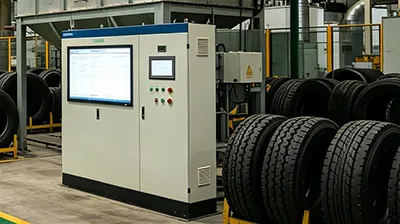
轮胎充气的误区与注意事项
轮胎充气的重要性:一项关键的安全基石
胎压是轮胎的生命线。过高或过低的胎压都会对车辆性能产生负面影响。当胎压过低时,轮胎与路面的接触面积增大,行驶过程中胎侧承受的挤压和摩擦增加,可能导致轮胎温度迅速升高,造成胎面磨损不均、胎侧鼓包,甚至在高速行驶时因过热而发生爆胎。

气压不足还会增加车辆行驶阻力,加大发动机负荷,使百公里油耗显著上升,最终增加车辆运行成本。
相反,轮胎气压过高会减少胎面中心与路面的接触面积,增加局部压力,导致中心部位过度磨损,缩短轮胎寿命。
此外,胎压过高会降低轮胎的弹性以及缓冲路面颠簸的能力,影响驾乘舒适性和操控性能。在紧急制动或转弯时尤其如此,轮胎抓地力不足可能导致打滑,增加驾驶风险。因此,保持标准胎压对于兼顾行车安全、燃油经济性和轮胎寿命至关重要。
通胀前准备:细节决定运营安全
在给轮胎充气之前,应做好充分准备,以避免因准备不足而导致的错误。首先确认标准胎压,该数值通常标注在车辆用户手册、驾驶座车门立柱上或油箱盖内侧。不同车型和轮胎尺寸的标准胎压各不相同,因此切勿盲目参照其他车辆的胎压数据。
其次,选择合适的充气设备。常见的充气设备包括车载泵和加油站的固定式充气机。车载泵便携性强,适合日常应急使用,但需注意其功率和充气速度。加油站的充气机压力稳定、精度高,适合定期进行胎压校准。然而,操作时必须规范,避免因压力过大而损坏轮胎。
此外,在充气前应检查轮胎胎面是否有异物(如钉子或石子)、裂纹或鼓包。充气前需修复任何损伤,以防止在充气过程中造成进一步损坏。轮胎应处于室温状态。如果驾驶后轮胎发热,此时充气可能导致压力读数不准确。建议将轮胎停放至少30分钟冷却后再进行充气。
正确的充气程序:科学程序确保准确
Before inflating your tires, be fully prepared to avoid errors caused by inadequate preparation. First, confirm the standard tire pressure. This value is usually indicated in the vehicle owner's manual, on the driver's door pillar, or inside the fuel tank cap. Standard tire pressures vary between different models and tire sizes, so do not blindly rely on tire pressure data from other vehicles.
Second, choose the appropriate inflation equipment. Common inflation equipment includes vehicle-mounted pumps and stationary inflators at gas stations. Vehicle-mounted pumps are highly portable and suitable for everyday emergency use, but their power and inflation speed should be carefully considered. Gas station inflators offer stable pressure and high accuracy, making them suitable for regular tire pressure calibration. However, proper operation is crucial to avoid damaging the tire due to excessive pressure.
In addition, before inflating, inspect the tires for foreign objects (such as nails or stones), cracks, or bulges on the tread. Repair any damage before inflating to prevent further damage during the inflation process. The tires should be at room temperature. If the tires are hot after driving, inflating them at this time can result in inaccurate pressure readings. It is recommended to park the tires for at least 30 minutes to cool before inflating.
Proper Inflation Procedures: Scientific Procedures Ensure Accurate 轮胎压力
胎压测量:充气前,使用胎压计测量当前轮胎压力,确定当前压力与推荐压力之间的差值,以避免盲目充气。测量时,将胎压计接头牢固地压在轮胎气门上,确保无泄漏。待读数稳定后,读取数值并记录每个轮胎的压力。若发现压力差异明显(例如超过0.2巴),应检查是否存在漏气。

连接充气泵:根据充气泵的类型正确连接轮胎气门。使用车载打气泵时,将电源线插入车辆的点烟器或USB接口,以确保电力稳定。使用加油站充气泵时,将充气软管接头牢固地套在气门嘴上,并听到“咔哒”声确认已锁紧,以防充气过程中脱落。
分阶段充气:充气时遵循“分阶段充气、多次测量压力”的原则,避免一次性充至目标压力。例如,当前胎压为2.0巴,目标压力为2.5巴时,可先充至2.3巴,关闭充气机,再次测量压力,然后根据差值补充空气,直至达到目标压力。该方法能有效防止因设备压力波动导致的过度充气,并便于及时调整。
检查密封性:充气后关闭充气设备,拔下连接头,将气门杆涂抹肥皂水观察是否有气泡。如有气泡,说明气门杆密封不良,需更换气门芯或拧紧气门帽以防止慢漏气。同时再次测量胎压,确认符合标准,并确保所有轮胎保持一致的压力。
常见误解与注意事项:规避风险并确保安全
许多车主在给轮胎充气时存在一些常见误区,需要及时纠正。例如,有些人认为“胎压越高越省油”,盲目将轮胎充气至高于标准压力的水平。但他们没有意识到,过高的胎压会导致胎面磨损不均、轮胎抓地力下降,并增加安全隐患。
其他车主常常忽视检查备胎的气压,导致备胎长期处于泄气状态,在紧急情况下无法正常使用。建议每六个月检查一次备胎气压,以确保其处于良好工作状态。
此外,需要注意季节性的胎压调整。夏季气温较高,轮胎受热后胎压会上升,因此夏季充气时应降低0.1-0.2巴的胎压,以避免高温下胎压过高。冬季气温较低,胎压更容易下降,因此应提高0.1-0.2巴的胎压,以确保良好的抓地力。
定期检查轮胎气压也至关重要。我们建议每月至少检查一次轮胎气压,尤其是在长途驾驶前和季节变化期间,以确保轮胎始终保持最佳充气状态。
处理异常情况:及时响应以确保驾驶安全
如果充气时胎压无法达到标准值,或充气后压力迅速下降,可能表明存在漏气。应立即停止使用轮胎,并检查胎面是否有刺穿、气门嘴损坏或侧壁裂纹。
如果发现轮胎被刺穿(例如钉子扎入),请勿自行拔出。应缓慢驾驶至附近的维修店进行专业修理。若胎侧出现裂纹或鼓包,说明轮胎结构已受损,无法继续使用,应及时更换,以免因轮胎损坏导致爆胎。
In addition, it's important to pay attention to seasonal tire pressure adjustments. In summer, when temperatures are high, tire pressures rise as they heat up. Therefore, during summer inflation, reduce the tire pressure by 0.1-0.2 bar to avoid excessively high pressures in the heat. In winter, when temperatures are low, tire pressures are more likely to drop, so increase the pressure by 0.1-0.2 bar to ensure proper grip.
Regular tire pressure checks are also crucial. We recommend checking tire pressure at least once a month, especially before long-distance driving and during seasonal changes, to ensure tires are always optimally inflated.
Handling Abnormal Situations: Promptly Respond to Ensure Driving Safety
If the tire pressure fails to reach the standard value during inflation, or if the pressure drops rapidly after inflation, it may indicate a leak. Immediately stop using the tire and inspect the tread for punctures, damaged valve stems, or cracks in the sidewall.
If a puncture (such as a nail) is found, do not remove it yourself. Drive slowly to a nearby repair shop for professional repair. If cracks or bulges appear on the sidewall, the tire structure is damaged and cannot be used any longer. Replace it promptly to avoid a blowout caused by a damaged tire.