高效的物流离不开卡车轮胎
卡车轮胎是现代物流和运输系统中的关键组成部分。它们不仅承载着数十吨的货物,还直接影响运输效率、行车安全和运营成本。作为卡车与路面接触的唯一界面,高品质的卡车轮胎必须满足耐磨性、承载能力和抗冲击性等方面的严格标准,成为保障物流顺畅运行的“隐形守护者”。
在结构设计方面,卡车轮胎与乘用车轮胎有显著区别。其胎体采用多层高强度帘线叠加工艺,主要材料为尼龙或聚酯。这种结构能有效分散垂直压力,防止轮胎在重载下发生变形。
胎面采用高刚性橡胶配方,通过增加橡胶密度来提升耐磨性。胎面花纹设计注重排水性与抓地力的平衡,横向沟槽能快速排出积聚的水分,防止雨天打滑。
纵向主花纹设计可提高直线行驶稳定性,并减少长途运输过程中的胎面磨损。此外,卡车轮胎通常具有更厚的侧壁和内置加强筋,以防止路边碎屑和坑洞造成的损伤,降低爆胎风险。
The tread utilizes a high-rigidity rubber formula, increasing rubber density for improved wear resistance. The tread pattern also emphasizes a balance between drainage and grip. Horizontal grooves quickly drain accumulated water, preventing slippage in rainy weather.
The longitudinal main tread pattern enhances straight-line stability and reduces tread wear during long-distance transport. Furthermore, truck tires typically have thicker sidewalls and built-in ribs to protect against roadside debris and potholes, reducing the risk of blowouts.

根据性能,卡车轮胎可按使用场景分为长途、高速、短途、重载和越野轮胎。长途高速轮胎注重低滚动阻力,通过优化胎面胶料和结构,减少行驶过程中的能量损耗,帮助卡车在长途运输中实现更低的油耗,部分高端产品甚至可达到每百公里节油1-2升的效果。
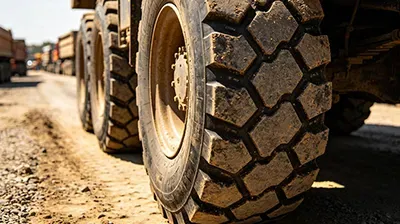
短途高强度轮胎具有高强韧的胎体和更深的胎面,能够承受频繁启停带来的磨损,适用于建筑材料、煤炭等重货的城市运输。越野轮胎则采用大块状花纹设计,胎面间隙更宽,在泥泞和碎石路面上具有强劲抓地力,常用于矿山开采和基础设施建设等非铺装路面作业。
选择卡车轮胎时,需综合考虑运输场景、载重要求和道路状况。首先,要考虑轮胎的负荷指数和速度等级。负荷指数代表单个轮胎的最大承载能力,例如,负荷指数150对应最大承载3.5吨。应根据卡车的额定载重能力选择合适的型号。
Short-distance, heavy-duty tires, with their core high-strength carcass and deeper tread, withstand the wear and tear of frequent starts and stops, making them suitable for urban transport of heavy goods such as construction materials and coal. Off-road tires feature large, blocky treads with wider tread clearances, providing strong grip on muddy and gravel roads. They are commonly used in unpaved operations such as mining and infrastructure construction.
When selecting truck tires, it's important to comprehensively consider the hauling scenario, load requirements, and road conditions. First, consider the tire's load index and speed rating. The load index represents the maximum load capacity of a single tire. For example, a load index of 150 corresponds to a maximum load of 3.5 tons. Choose a suitable model based on the truck's rated load capacity.

速度等级决定了轮胎的安全运行速度。对于长途运输,应优先选择H级(最高190公里/小时)及以上的轮胎。
其次,胎面硬度也是一个关键考虑因素。
Secondly, tread hardness is also a key consideration. 轮胎硬度为65-70 Shore A的轮胎具有更好的耐磨性,适用于高频次运输。较低硬度的轮胎舒适性更高,适用于运输颠簸货物,如冷链运输。
日常维护对于延长卡车轮胎寿命至关重要。胎压是影响轮胎寿命的关键因素。胎压不足会导致胎面两侧过度磨损,增加爆胎风险;胎压过高则会加剧胎面中心部位的磨损,并降低抓地力。建议每周检查胎压,并根据载重情况动态调整。空载时胎压可略低,满载时应调整至标准值的上限。
此外,定期进行轮胎换位(每10,000至20,000公里)可平衡胎面磨损,避免一侧过度磨损。及时清除胎面中的石子和金属碎片,可防止异物刺入轮胎胎体,降低轮胎损坏的几率。
Additionally, regular tire rotation (every 10,000-20,000 kilometers) can balance tread wear and avoid excessive wear on one side. Promptly removing stones and metal debris from the tread prevents foreign objects from piercing the tire carcass and reduces the chance of tire damage.

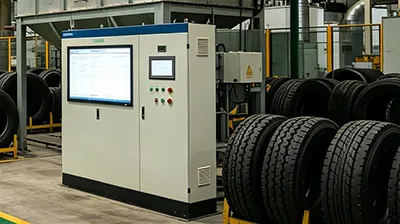
随着物流行业的发展,卡车轮胎也在向智能化和绿色化方向升级。一些品牌推出了内置传感器的智能轮胎,可实时监测胎压、温度和磨损情况,并通过车载系统提醒驾驶员及时维护。环保型轮胎采用生物基橡胶材料,在保证性能的同时减少碳排放,符合当前“双碳”政策要求。
作为卡车的“双脚”,卡车轮胎的质量和状况直接影响着物流运输的方方面面。选择合适的轮胎型号并进行日常维护,是确保运输安全、降低运营成本的关键措施。在当今快速发展的物流行业中,卡车轮胎凭借更先进的技术和可靠的性能,为全球供应链的稳定运行提供着坚实保障。
As the "legs" of trucks, the quality and condition of truck tires are directly impacting every aspect of logistics and transportation. Choosing the right tire model and performing routine maintenance are crucial measures to ensure transportation safety and reduce operating costs. In today's rapidly developing logistics industry, truck tires are providing solid support for the stable operation of the global supply chain with more advanced technology and reliable performance.