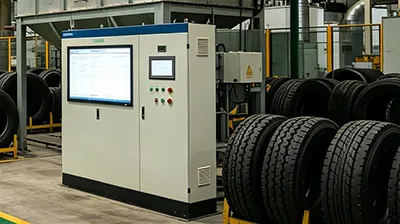
轮胎行业:机遇与挑战
在当前蓬勃发展的汽车市场中,轮胎作为关键的汽车零部件,其市场表现与整个行业的兴衰密切相关。8月份,全国乘用车市场销售199.5万辆,同比增长4.6%,环比增长8.2%。今年累计销量已达1474.1万辆,同比增长9.5%。
今年,国内汽车市场零售销量累计增速持续上升,从1-2月的1.2%增长至1-6月的11%。7-8月增速较高位基数有所放缓,符合年初预测的“前低、中高、后平”走势。
8月零售销量达到新的高点,较2023年8月的历史最高水平192万辆增长了3.7%,显示出增长趋势逐渐趋缓。这一汽车市场形势无疑为轮胎行业带来了诸多机遇与挑战。
August retail sales reached a new high, increasing by 3.7% from the historical high of 1.92 million units in August 2023, demonstrating a gradually flattening growth trend. This automotive market situation undoubtedly presents numerous opportunities and challenges for the tire industry.

从市场需求的角度来看,汽车销量的增长直接推动了对原配轮胎的需求。随着新车的持续销售,作为关键部件的轮胎需求也随之增加。新能源汽车领域尤其经历了快速增长。
2025年上半年,中国汽车产量同比增长41.4%。许多轮胎企业正在加速开发适用于新能源汽车的轮胎,并合作研发配套产品。
中策橡胶已成功进入丰田供应链,为丰田bZ3X提供原配轮胎,同时还获得了包括比亚迪方程豹钛3、小鹏MONA等多款新能源车型的订单。玲珑轮胎也成功为多款新车型提供配套轮胎,包括吉利星愿、日产N7、五菱星光以及零跑B10等车型。
这使得市场渗透迅速扩展至整个汽车市场,从经济型到中端和高端车型,从传统汽车制造商到新兴汽车生产商。这表明轮胎公司正积极在新能源汽车原配轮胎市场的竞争中抢占市场份额。
然而,原配市场只是轮胎行业的一部分,替换市场同样重要。随着汽车保有量的持续增加,替换轮胎的需求也在上升。不过,当前替换轮胎市场竞争异常激烈。
国内轮胎行业仍受结构性产能过剩困扰,低端产品同质化严重。为争夺市场份额,一些企业采取降价策略,导致价格战频发。
到2025年,部分轮胎品牌的205/55R16轮胎批发价格已跌破100元,导致行业平均利润率大幅下降至零甚至负利润。这种恶性价格竞争不仅损害了企业自身的利益,也影响了整个行业的健康发展。
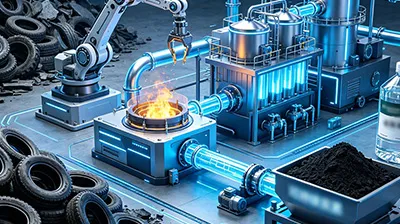
关于原材料,轮胎生产对其依赖程度较高。天然橡胶、合成橡胶和炭黑是轮胎的关键原材料,其价格波动对轮胎企业的成本控制产生显著影响。2025年上半年,由于东南亚主要产区干旱以及国际资本投机等因素,天然橡胶现货价格大幅上涨。
作为占轮胎生产成本30%以上的关键原材料,其价格上涨直接导致上市轮胎公司毛利率下滑。除了天然橡胶外,合成橡胶和炭黑等原材料价格也有所上涨,进一步加剧了轮胎企业的成本压力。
尽管八月份天然橡胶和合成橡胶价格略有上涨,在成本方面提供了一些支撑,但总体而言,原材料价格的不稳定性仍然是轮胎企业面临的主要挑战。
中国轮胎企业在出口方面也面临重大挑战。欧盟对卡车轮胎征收反倾销税,以及美国对东南亚生产基地的调查,都大幅增加了中国轮胎出口的压力。
The domestic tire industry remains plagued by structural overcapacity, with low-end products experiencing significant homogeneity. To compete for market share, some companies resorted to price-cutting strategies, leading to frequent price wars.
By 2025, the wholesale price of 205/55R16 tires for some tire brands had fallen below 100 yuan, significantly reducing the industry's average profit margin to zero or even negative profit. This vicious price competition not only harmed the interests of individual companies but also impacted the healthy development of the entire industry.
Regarding raw materials, tire production is highly dependent on them. Natural rubber, synthetic rubber, and carbon black are key raw materials for tires, and price fluctuations significantly impact tire companies' cost control. In the first half of 2025, due to factors such as drought in major producing areas in Southeast Asia and international capital speculation, the spot price of natural rubber rose sharply.
As a core raw material that accounts for over 30% of tire production costs, the price increase directly led to a decline in the gross profit margins of listed tire companies. In addition to natural rubber, the prices of raw materials such as synthetic rubber and carbon black also saw some increases, further exacerbating the cost pressures on tire companies.
Although natural rubber and synthetic rubber prices saw a slight increase in August, providing some support on the cost side, overall, the instability of raw material prices remains a major challenge for tire companies.
Chinese tire companies also face significant challenges in exports. The EU's imposition of anti-dumping duties on truck tires and the US's investigation into Southeast Asian production bases have significantly increased pressure on Chinese tire exports.

这些出口瓶颈不仅限制了轮胎企业的市场扩展,还导致大量原本计划出口的产品回流到国内市场,进一步加剧了国内市场的竞争。
从行业竞争来看,全球轮胎行业竞争激烈。米其林、普利司通和固特异等国际轮胎巨头凭借强大的品牌声誉、技术研发能力以及全球市场份额主导着该行业。
近年来,国内轮胎企业如中策、赛轮、玲珑等迅速发展,在成本控制、精细管理及智能制造等方面逐步建立起竞争优势,但在品牌影响力和高端产品市场份额方面仍落后于这些国际巨头。在当前的市场环境下,轮胎企业若想在竞争中脱颖而出,必须加强技术创新,提升产品质量和性能,打造具有竞争力的品牌。
In terms of industry competition, the global tire industry is highly competitive. International tire giants such as Michelin, Bridgestone, and Goodyear dominate the industry with their strong brand reputations, technological R&D capabilities, and global market share.
While domestic tire companies such as Zhongce, Sailun, and Linglong have experienced rapid growth in recent years, gradually building competitive advantages in cost control, sophisticated management, and intelligent manufacturing, they still lag behind these international giants in terms of brand influence and market share in high-end products. In the current market environment, if tire companies want to stand out from the competition, they must strengthen technological innovation, improve product quality and performance, and build competitive brands.