第四季度轮胎生存之战
随着第四季度的到来,轮胎从业者的办公桌上总有三样东西:厚厚的涨价通知单、鲜红的年度进度图表,以及不断更新的库存统计数据。原材料价格飙升,叠加年底刚性的业绩目标,与传统淡季疲软的需求形成尖锐冲突。库存压力如巨石般悬于头顶,成为整个行业无法回避的生存挑战。

由成本压力推动的价格上涨浪潮,使经销商面临两难境地。
涨价来得毫无征兆,却势不可挡。自2025年9月以来,包括玛吉斯、赛轮、优科豪马在内的数十家轮胎企业纷纷发布价格调整通知。TBR轮胎普遍上涨2%至3%,乘用车轮胎最高涨幅达3%。
这些价格上涨的根本原因在于综合成本压力。天然橡胶、硬脂酸等核心原材料价格在过去三个月内上涨超过5%。加之运输和人工成本持续上升,轮胎企业被迫通过价格调整来转移压力。
对经销商而言,价格上涨意味着利润空间进一步被压缩:一款12R22.5卡车和客车轮胎价格仅上涨3%,每条轮胎的采购成本就增加70元。按200条轮胎的采购订单计算,单个品牌就将增加近14万元的资金占用。更令人担忧的是,该公司明确表示“不排除进一步调整价格”,迫使经销商不得不在囤货避险与控制库存防损之间做出选择。
淡季叠加销售压力,导致经销商陷入“库存越多,越难卖出”的循环。
价格上涨潮恰逢年底销售需求增加。尽管第四季度已进入轮胎行业的传统淡季,但全钢轮胎产销失衡的局面依然持续。3370万套的累计产量与预计3300万套的销量之间的差距,反映出市场吸收能力有限。
然而,各品牌仍将第四季度视为年度业绩的“最终决战”,尤其是在商用车领域。尽管预计第四季度产量较去年同期下降15%,但配套零部件短期需求激增,仍让企业对销售增长抱有希望。
这种预期最终转化为经销商的销售压力:山东一家轮胎批发商透露,10月订单量比9月增长了20%,但终端替换市场的交易速度明显放缓,部分门店的卡车轮胎交货期从40天延长至48天。为完成销售目标,许多经销商被迫增加进货,导致行业开工率连续六周保持在68%以上,形成了“库存越多、越难销售”的恶性循环。
The off-season coupled with the demand for increased sales has trapped dealers in a cycle of "the more inventory you hold, the harder it is to sell."
The wave of price increases coincides with the demanding demand for increased sales at the end of the year. Although the fourth quarter has entered the traditional off-season for the tire industry, the imbalance between production and sales of all-steel tires persists. The gap between cumulative production of 33.7 million units and estimated sales of 33 million units reflects the market's limited absorption capacity.
However, brands still view the fourth quarter as the "final battle" for annual performance, especially in the commercial vehicle sector. Although fourth-quarter production is expected to decline by 15% compared to the same period last year, the short-term surge in demand for supporting components has companies still hoping for a sales boost.
This expectation ultimately translated into sales pressure for dealers: A tire wholesaler in Shandong revealed that October orders increased by 20% compared to September, but the pace of transaction in the terminal replacement market slowed significantly, with some stores experiencing a delay in truck tire delivery from 40 days to 48 days. To meet these targets, many dealers were forced to increase their purchases, resulting in the industry's operating rate remaining above 68% for six consecutive weeks, creating a vicious cycle of "the more inventory, the harder it is to sell."

双重挤压使库存承压,导致隐性损失和实物损失。
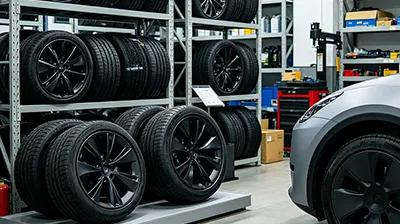
价格上涨与销量激增的双重挤压最终使压力集中在库存上。全钢轮胎库存下降了3.8%
The dual squeeze of price increases and sales surges has ultimately concentrated pressure on inventory. The 3.8% decline in all-steel 轮胎与第三季度相比,第四季度出口量的增加进一步加剧了国内市场库存管理的复杂性。库存积压不仅占用大量流动资金,还存在实物损耗的风险。如果储存期间湿度和温度控制不当,轮胎容易老化变形,直接影响其二次销售价值。
更成问题的是价格波动带来的隐性损失。一位经销商计算发现,尽管10月份对9月份购入的1000条轮胎提价3%,但库存占用资金所产生的利息已吞噬了近一半的利润。如果后续需求低于预期,这些定价过高的库存可能成为重大负担。
Even more problematic are the hidden losses caused by price fluctuations. One dealer calculated that despite a 3% price increase in October for 1,000 tires purchased in September, the interest earned on the tied-up inventory had already swallowed up nearly half of their profits. If subsequent demand falls short of expectations, the overpriced inventory could become a significant liability.

打破困境:探索多种策略寻找年末赌博的出路
面对这一困境,一些轮胎行业从业者已开始探索解决方案。部分企业采取分类处理策略,将新轮胎与翻新旧轮胎分开定价,并通过限时折扣、捆绑销售等方式加快周转。
一些企业正在加强跨行业合作,与汽车修理厂和二手车市场建立库存共享机制,以拓展销售渠道。还有一些企业正在优化库存结构。
根据卓创资讯预测“半钢胎出口仍将同比增长10%”,企业正增加乘用车轮胎库存,以平衡全钢轮胎的库存压力。尽管这些举措可能不会立即见效,但为应对当前价格上涨和库存压力的浪潮提供了前进方向。
对于轮胎行业专业人士而言,第四季度的压力实质上是行业周期与市场波动的集中体现。面对成本上涨不可逆转、工作量无法避免的现实,唯有准确研判市场走势,优化库存管理,拓展销售渠道,才能在这场年末冲刺中得以生存。
Based on Zhuochuang Information's prediction that "semi-steel tire exports will still see a 10% year-on-year increase," they are increasing their inventory of passenger car tires to balance the inventory pressure of full-steel tires. While these attempts may not yield immediate results, they provide a path forward in navigating the current wave of price increases and inventory pressures.
For tire professionals, the tension of the fourth quarter is essentially a concentrated reflection of industry cycles and market fluctuations. Faced with the reality of irreversible cost increases and unavoidable workloads, only by accurately assessing market trends, optimizing inventory management, and expanding sales channels can one maintain survival in this year-end scramble.