重组轮胎原厂配套策略
在汽车产业生态系统中,轮胎作为直接影响车辆安全、操控与舒适性的核心部件,一直是原配(OE)市场中战略性的竞争要素。
对于轮胎品牌而言,成功打入整车厂的OE配套体系,不仅意味着稳定的订单与持续的资金流,更能借助汽车品牌背书实现“上车曝光”,潜移默化地影响终端消费者的购买决策。这种从B端到C端的品牌渗透,使得OE战略被公认为行业的“黄金路径”。
For tire brands, successfully entering the OEM's OE system not only means stable orders and sustained cash flow, but also leverages the vehicle brand's endorsement to achieve "on-vehicle exposure," subtly influencing end-consumer purchasing decisions. This brand penetration, from the B-end to the C-end, has made the OE strategy recognized as the industry's "golden path."

然而,当前国内的
However, the current domestic 轮胎工业界陷入了一种集体的“数量崇拜”:一些企业将“支持的车型数量”和“年度支持线路数”作为核心绩效指标,盲目追求与更多汽车制造商的合作,覆盖更广泛的车型,却忽视了不同细分市场用户群体的差异化需求与价值主张。
缺乏明确的战略定位导致OE市场投入产出比持续失衡,商用车OE市场的困境正是这一问题的典型体现。
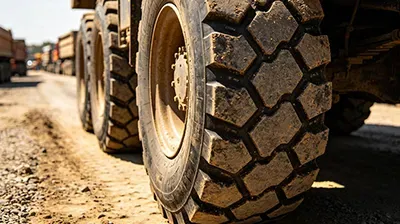
作为生产工具,商用车的核心需求始终围绕“经济”与“耐用”展开。对商用车车主而言,轮胎不仅是承载品牌价值的载体,更是控制运营成本的关键要素。其更换周期、单公里磨损成本以及维修保养的便捷性,直接决定了车辆的盈利能力。
然而,部分轮胎企业在进军商用车原厂配套市场时,仍沿用乘用车市场的品牌思维模式,投入大量资源与主机厂进行谈判和认证流程,试图通过提升轮胎配套数量来塑造“行业领先”的品牌形象,却未能精准契合商用车用户的核心性能需求。
例如,若为长途货运车辆研发的原装轮胎过分追求静音而忽视耐磨性,用户短期内可能面临频繁更换,导致运营成本上升,并对轮胎品牌形成“不耐用”的负面印象。
这种“为供应而供应”的策略最终导致企业在商用车市场投入高昂的认证与分销成本,却未能通过口碑巩固品牌价值,反而陷入“供货越多,投诉越多”的恶性循环。
与商用车市场形成鲜明对比的是,中高端乘用车市场展现出“精准匹配、价值传递与品牌溢价”的积极逻辑。中高端乘用车用户(如豪华品牌车主及高端新能源车用户)早已超越将车辆视为单纯交通工具的阶段,转而追求品质感、科技感与个性化。轮胎作为唯一与地面接触的部件,自然成为他们感知车辆品质的重要窗口。
For example, if original equipment tires developed for long-distance freight vehicles overly prioritize quietness while neglecting wear resistance, users will likely face repeated replacements in the short term, driving up operating costs and fostering a negative perception of the tire brand as "lacking durability."
This "for-the-sake-of-supply" strategy ultimately results in companies investing high certification and distribution costs in the commercial vehicle market, but failing to solidify their brand value through word-of-mouth. Instead, they fall into a vicious cycle where "the higher the number of tires supplied, the more complaints they receive."
In stark contrast to the commercial vehicle market, the mid-to-high-end passenger car market demonstrates a positive logic of "precise matching, value transmission, and brand premium." Mid-to-high-end passenger car users (such as luxury brand owners and users of high-end new energy vehicles) have long since moved beyond the vehicle as a means of transportation, pursuing a sense of quality, technology, and personalization. Tires, as the only component in contact with the ground, naturally become a crucial window into their perception of vehicle quality.

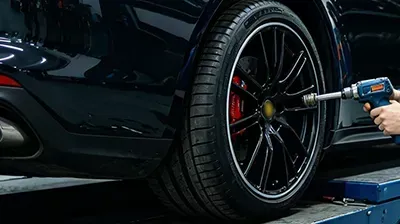
例如,豪华SUV通常注重操控稳定性和湿地制动性能。若轮胎企业能针对性地开发出高抓地力配方的原配轮胎,并通过主机厂的宣传材料(如“搭载XX品牌高性能轮胎,带来卓越操控体验”)将轮胎性能与车辆卖点深度融合,不仅能成功打入中高端原配市场,还能借助车辆品牌的高价值,在用户心中树立起“高端、专业”的品牌形象。
例如,某国际轮胎品牌为一款高端新能源车型定制了原配轮胎,其低滚动阻力设计有助于提升车辆的续航里程。这一特点被主机厂大力宣传,不仅使该轮胎成为购车时的“隐藏加分项”,也促进了其在替换市场的销量。许多用户在更换轮胎时主动选择与原配相同的轮胎,形成了“原配带动替换”的良性循环。
商用车与中高端乘用车市场的对比表明,轮胎企业的原配策略并非“数量竞赛”,而是一项“精准匹配”的系统工程。要克服当前原配市场投入产出比失衡的现状,企业需从三个维度重构战略:
首先,确立“用户需求驱动”的产品开发逻辑,摒弃粗放的“一刀切”模式,针对商用车对成本敏感、中高端乘用车对性能追求以及经济型乘用车对性价比的需求,开发差异化产品。
其次,深化与汽车制造商的“价值共创”,超越简单的“供应商-采购商”关系。例如,通过早期参与车辆开发过程,依据车辆性能目标(如续航里程、操控性和静音性)定制轮胎解决方案,并将轮胎性能转化为车辆的核心卖点,实现轮胎品牌与汽车品牌的双赢。
A comparison between the commercial vehicle and mid-to-high-end passenger car markets demonstrates that tire companies' original equipment strategy is not a "quantity race" but a systematic project of "precise matching." To overcome the current imbalance in the input-output ratio in the original equipment market, companies need to restructure their strategies along three dimensions:
First, establish a "user-demand-driven" product development logic, abandoning the crude "one product fits all" model and developing differentiated products tailored to the cost-sensitive needs of commercial vehicles, the performance demands of mid-to-high-end passenger cars, and the value-for-money demands of economy passenger cars.
Second, deepen "value co-creation" with OEMs, moving beyond a simple "supplier-buyer" relationship. For example, by engaging in vehicle development early in the process, customizing tire solutions based on vehicle performance targets (such as range, handling, and quietness), and transforming tire performance into a core selling point for the vehicle, achieving a win-win for both tire and vehicle brands.

第三,强化从“原装设备”到“替换件”的价值链。通过用户教育(例如在车主手册中介绍轮胎保养信息,并在替换市场推出“类原厂”产品线),将在原装设备阶段积累的品牌认知转化为终端用户的重复购买行为。
随着汽车产业向电动化与智能化转型,轮胎的功能正从“承载与滚动”延伸至“智能感知”(如胎压监测、磨损预警等),原配市场的战略价值也将愈发凸显。
对轮胎企业而言,只有超越“数量神话”,聚焦差异化的用户需求,原配策略才能真正成为品牌渗透的“金光大道”,而非内部资源消耗的“无底洞”。
Amid the automotive industry's shift toward electrification and intelligent driving, tire functions are expanding from "load-carrying and rolling" to "intelligent sensing" (such as tire pressure monitoring and wear warnings). The strategic value of the original equipment market will become even more prominent.
For tire companies, only by moving beyond the "quantity myth" and focusing on differentiated user needs can the original equipment strategy truly become a "golden path" for brand penetration, rather than a "bottomless pit" of internal resource consumption.