汽车轮胎的关键要素
作为车辆唯一与路面接触的部分,轮胎性能直接决定了车辆的安全性、舒适性和操控性。无论是传统内燃机汽车还是新能源汽车,要实现其预期功能,都需要三个核心要素:合适的胎面胶料、合适的胎面花纹以及合适的胎面深度。
这三个要素犹如轮胎的“骨架”和“灵魂”,共同支撑车辆在各种路况下的稳定运行。尽管技术进步和新能源汽车的普及为轮胎设计带来了新的挑战和要求,但高品质轮胎制造的基本原则始终未变。
合适的胎面胶料是轮胎性能的基础。作为轮胎直接接触路面的部分,其材料配方直接影响轮胎的耐磨性、抓地力、抗老化性和静音性。
Appropriate tread compound is the foundation of tire performance. As the part of the tire that directly contacts the road, its material formulation directly impacts the tire's wear resistance, grip, aging resistance, and quietness.

传统内燃机汽车轮胎的胎面胶料通常优先考虑耐磨性和耐高温性,因为发动机的热量会传递到轮胎上。此外,传统车辆行驶里程较长,对轮胎寿命要求更高。尽管新能源汽车在动力系统方面与传统汽车有所不同,但胎面胶料的核心作用并未改变。
然而,由于新能源汽车能提供更直接的扭矩和更强的瞬时爆发力,轮胎胎面胶料需要提高抗撕裂性能,以应对快速加速时路面产生的剧烈摩擦。
此外,为了满足新能源汽车对静音性能的严格要求,胎面橡胶配方中采用了更具柔性的聚合物材料。通过优化橡胶的分子结构,降低了轮胎与路面滚动摩擦时产生的噪音。
无论配方如何调整,胎面胶必须保持足够的强度和韧性。这是轮胎承受车辆重量并应对复杂路况的基本前提,适用于所有类型的轮胎。
合适的胎面花纹对于轮胎实现制动、排水和防滑功能至关重要。胎面花纹设计需要根据车辆的使用场景和性能要求进行优化。尽管不同类型的轮胎花纹差异很大,但其核心设计原则仍集中在提高轮胎与路面的附着力上。
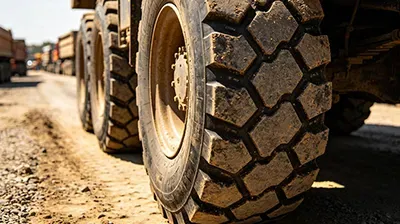
传统内燃机汽车的轮胎花纹通常注重综合性能,兼顾城市行驶的静音性以及长途行驶的耐磨性。而越野轮胎则采用更深更宽的沟槽,以增强在泥地和碎石路面上的抓地力。
对于新能源汽车,由于行驶时噪音较低,轮胎花纹设计更注重静音性。工程师优化花纹块排列,采用非对称、变节距设计,以减少胎块接地时产生的空气紊流噪声;同时缩小沟槽宽度,以降低气流在沟槽内流动引发的共振噪声。
此外,新能源汽车的续航需求对胎面花纹提出了新的要求。过于复杂的花纹会增加滚动阻力,因此新能源汽车轮胎倾向于采用更简洁的花纹设计,在确保良好排水性和抓地力的同时,尽量减少胎块之间的摩擦和空气阻力。
无论胎面花纹如何变化,其核心目的都是确保轮胎在不同路况下与路面保持稳定接触,使车辆的制动距离和操控稳定性符合安全标准。这一核心目标不会因车辆动力系统的不同而改变。
合适的胎面深度是轮胎安全性的关键指标,也是轮胎磨损的直接反映。胎面深度是指从胎面沟槽底部到胎面顶部的距离。足够的胎面深度可确保轮胎有效排水,防止在雨天行驶时发生水漂现象。
根据国际安全标准,当标准乘用车轮胎的胎面深度低于1.6毫米时必须更换。这会显著降低排水能力,增加制动距离,对行车安全构成严重威胁。
轮胎磨损是导致花纹深度减小的主要原因。随着车辆行驶里程的增加,胎面橡胶逐渐磨损,花纹深度也随之降低。此外,磨损不仅会减小花纹深度,还会破坏胎面花纹的结构完整性,导致轮胎失去原有的性能特性。
For new energy vehicles, tread design for quietness is a higher priority due to the lower noise levels during driving. Engineers optimize the pattern arrangement, employing asymmetric, variable-pitch designs to reduce turbulent air noise generated when the tread blocks contact the ground. They also reduce the width of the grooves to mitigate the resonant noise caused by air flowing within the grooves.
Furthermore, the range demands of new energy vehicles have placed new demands on tread patterns. Overly complex patterns can increase rolling resistance, so new energy vehicle tires tend to use simpler patterns to minimize friction and air resistance between tread blocks while ensuring good drainage and grip.
Regardless of how the tread design changes, its core purpose remains to ensure stable tire contact with the road under varying road conditions, ensuring that the vehicle's braking distance and handling stability meet safety standards. This core objective remains unchanged regardless of the vehicle's powertrain.
Appropriate tread depth is a key indicator of tire safety and a direct indicator of tire wear. Tread depth refers to the distance from the bottom of the tread groove to the top of the tread. Sufficient tread depth ensures proper drainage of the tire and prevents hydroplaning in rainy conditions.
According to international safety standards, standard passenger car tires must be replaced when their tread depth drops below 1.6 mm. This significantly reduces drainage capacity and increases braking distance, posing a serious threat to driving safety.
Tire wear is the primary cause of reduced tread depth. As vehicle mileage increases, the tread rubber gradually wears away, and the tread depth decreases accordingly. Furthermore, wear not only reduces tread depth but also compromises the structural integrity of the tread pattern, causing the tire to lose its original performance characteristics.

例如,原本具有优异防滑性能的胎面花纹在磨损后,由于胎块变小、沟槽变浅,可能失去有效抓地的能力,导致抓地力下降。对于新能源汽车而言,由于其通常比传统内燃机汽车更重(电池组增加了重量),轮胎磨损可能更快,因此需要更频繁地监测胎纹深度。
无论车辆类型如何,保持适当的胎面深度都是确保驾驶安全的基础。定期检查胎面深度并及时更换严重磨损的轮胎,是所有驾驶员必须遵守的基本安全准则。
新能源汽车的广泛普及确实给轮胎设计带来了新的挑战。除了上述对静音性和低滚动阻力的要求外,还需要更高的承载能力。新能源汽车中较重的电池组显著增加了整车整备质量,因此需要具有更大承载能力和加强型胎体结构的轮胎来应对增加的垂直载荷。
同时,新能源汽车的再生制动系统也会对轮胎产生影响。频繁制动会增加轮胎之间的摩擦力
The widespread adoption of new energy vehicles has indeed brought new challenges to tire design. In addition to the aforementioned requirements for quietness and low rolling resistance, higher load-bearing capacity is also required. The heavier battery packs in new energy vehicles significantly increase the vehicle's curb weight, requiring tires with greater load-bearing capacity and reinforced carcass structures to handle the increased vertical loads.
At the same time, the regenerative braking systems of new energy vehicles also impact tires. Frequent braking increases friction between the 轮胎并且会加速胎面磨损。因此,新能源汽车轮胎的胎面胶料需要具备更高的耐磨性。
然而,这些需求变化并未改变轮胎制造的核心原则。无论是新能源汽车轮胎还是内燃机汽车轮胎,都依赖于合适的胎面胶料、胎面花纹和胎面深度来实现其基本功能。这些核心要素是轮胎性能的基石,也是衡量轮胎质量的关键标准。
However, these shifts in demand have not altered the core principles of tire manufacturing. Whether tires for new energy vehicles or internal combustion engine vehicles, they all rely on the appropriate tread compound, tread pattern, and tread depth to achieve their basic functions. These core elements are the cornerstones of tire performance and key criteria for measuring tire quality.