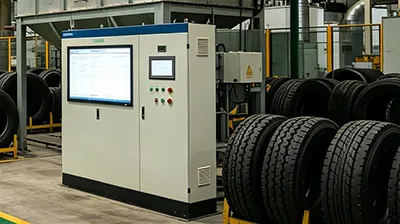
重型卡车驱动钢制轮胎回收
重卡是全钢轮胎的核心下游市场。2024年,重卡领域全钢轮胎市场规模达到823.5亿元,占总市场的64.2%。这种结构性依赖直接影响重卡销量对轮胎需求的影响。
2025年4月至9月,重型卡车市场平均39%的增长率正通过两条主要途径推动轮胎需求:
在
In the 轮胎假设每辆重型卡车需要8至12条全钢轮胎,仅9月份销售的10.5万辆重型卡车就带来了84万至126万条轮胎的新增需求。
今年上半年,重型卡车累计销量达53.3万辆,带动轮胎需求量在426万至640万条之间,直接推动全钢胎生产企业开工率达到65%。玲珑、赛轮等龙头企业凭借充足的轮胎订单,产能利用率远超行业平均水平。
在替换市场,重型卡车价格已连续六次上涨,主要受物流需求复苏和老旧车辆淘汰的推动。预计2024年国内公路货运量将同比增长5.2%。
随着国四车辆置换政策的实施,现有重型卡车的活跃度提高,缩短了轮胎更换周期。替换市场占全钢轮胎总需求的70%以上,该领域的韧性将持续带来增量增长。
In the replacement market, heavy-duty truck prices have seen six consecutive increases, driven by a recovery in logistics demand and the retirement of older vehicles. Domestic road freight volume is expected to grow by 5.2% year-on-year in 2024.
Coupled with the implementation of the National IV vehicle replacement policy, the activity of existing heavy-duty trucks has increased, shortening tire replacement cycles. The replacement market accounts for over 70% of total demand for all-steel tires, and the resilience of this sector will continue to generate incremental growth.

多重积极因素:支撑全钢轮胎市场复苏
除了重卡销量外,成本红利和结构升级正在增强全钢轮胎行业复苏的势头:
成本压力缓解是主要驱动因素。自2024年底以来,天然橡胶和合成橡胶等主要原材料价格持续下降,2025年上半年全钢轮胎原材料价格指数环比下降5.6%。
据估计,在原材料成本降低6%且不向下传导的情况下,企业毛利率可提高3.59个百分点,为轮胎企业恢复利润创造了空间。
新能源汽车的转型正带来新的机遇。截至2025年6月,新能源重卡渗透率已达26.03%,上半年销量同比增长186%。
由于频繁制动和载重较大,新能源重卡对轮胎的耐磨性和安全性提出了更高要求,推动专用全钢轮胎需求同比增长12.5%。河南高速公路通行费减免、四川路权优先等政策进一步加快了这一进程,为轮胎企业提供了技术升级路径。
出口市场依然保持韧性。尽管今年上半年欧洲卡车和客车轮胎替换销量下降了4%,但中国全钢轮胎凭借30%至50%的价格优势,仍在东南亚和非洲等新兴市场持续取得突破。
全钢轮胎出口预计在2020年至2024年间以8.1%的年均复合增长率增长,领先企业正扩大海外生产能力,以抵消某些地区贸易壁垒的影响。
Due to their frequent braking and heavy loads, new energy heavy-duty trucks place higher demands on tire wear resistance and safety, driving a 12.5% year-on-year increase in demand for specialized all-steel tires. Policies such as highway toll reductions in Henan and right-of-way priority in Sichuan have further accelerated this process, providing tire companies with a path for technological upgrades.
The export market remains resilient. Although replacement sales of truck and bus tires in Europe declined by 4% in the first half of the year, Chinese all-steel tires, with a 30%-50% price advantage, continue to break through in emerging markets such as Southeast Asia and Africa.
All-steel tire exports are projected to grow at a compound annual growth rate of 8.1% from 2020 to 2024, with leading companies expanding overseas production capacity to offset the impact of trade barriers in some regions.

隐忧犹存:全钢胎市场复苏中的瓶颈
需要注意的是,全钢轮胎市场尚未完全摆脱低迷的惯性,多重挑战可能限制其复苏程度:
传统市场供需失衡突出。今年上半年,国内卡车轮胎替换市场销量下降1.59%,零售需求跌破2000万条,这一需求量仅需10家企业生产六个月即可满足。
然而,国内有100多家知名轮胎制造商,产能过剩导致竞争激烈,大多数经销商仍面临高库存压力。尽管配套市场有所增长,但利润微薄,上市轮胎企业在今年上半年仍面临“增收不增利”的困境。
技术升级障碍正成为中小企业的绊脚石。新能源重卡轮胎需要低滚阻和高强度材料,必须持续投入研发。
像海安橡胶这样的龙头企业已在全钢巨胎领域达到全球领先水平,但大多数中小企业由于技术储备不足,无法分享新能源汽车市场的红利,进一步加剧了行业分化。
海外市场的风险不容忽视。今年6月,中国全钢胎出口量同比下降7.33%。不断上升的贸易保护主义和放缓的全球经济可能抑制出口增长。此外,原材料价格上涨将迅速侵蚀企业利润,削弱复苏基础。
Technology upgrade barriers are becoming a stumbling block for small and medium-sized enterprises. New energy heavy-duty truck tires require low rolling resistance and high-strength materials, necessitating continuous investment in R&D.
Leading companies like Haian Rubber have achieved global leadership in giant all-steel tires, but most small and medium-sized enterprises, due to insufficient technological reserves, are unable to share in the new energy vehicle market's dividends, further exacerbating industry differentiation.
Overseas market risks cannot be ignored. China's all-steel tire exports fell 7.33% year-on-year in June. Rising trade protectionism and a slowing global economy could dampen export growth. Furthermore, a rebound in raw material prices would rapidly erode corporate profits and weaken the foundation for recovery.