冬季刹车片保养
冬季是刹车片的严苛考验期,低温与复杂路况的双重作用使其性能大幅减弱。多数刹车片材质在零下环境中会发生物理变化:金属刹车片硬度上升而柔韧性下降,导致与刹车盘接触面积减少,制动反应随之迟缓。
实际测试表明,在零下20摄氏度的环境中,刹车片的摩擦系数可能下降超过20%,这足以使制动距离从50米延长至65米——在冰雪路面上,这样的差距极易引发交通事故。
路况进一步加剧了风险。积雪或薄冰覆盖的道路需要频繁轻踩刹车以控制车速,导致刹车片磨损速度比夏季快三倍以上。同时,干燥多风的冬季环境使得沙尘容易侵入刹车片间隙。这些“隐形磨料”造成表面粗糙,产生刺耳噪音,并进一步削弱刹车稳定性。
Road conditions further amplify the risks. Snow-covered or thinly icy roads require frequent light braking to control speed, causing brake pads to wear more than three times faster than in summer. Simultaneously, the dry and windy winter environment allows sand and dust to easily penetrate the brake pad gaps. These "invisible abrasives" create a rough surface, producing harsh noises and further reducing braking stability.

电动汽车因其再生制动系统的高频使用,常常导致刹车盘长时间闲置。当这些刹车盘接触到水分时,更容易生锈和冻结,从而带来安全隐患。材料选择:冬季刹车片,陶瓷还是金属?
刹车片材质直接决定了冬季的制动性能,不同材质适用于不同场景:
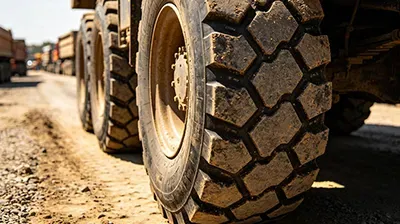
低金属刹车片被誉为“极寒利器”,在零下20℃环境下,其制动响应比陶瓷刹车片快0.3秒,单次更换成本降低35%,并能耐受频繁重刹带来的磨损。特别适用于严寒地区的通勤车辆及重型卡车。
陶瓷刹车片在静音和耐用性方面表现卓越,能承受800摄氏度以上的高温。它们产生的灰尘较少,对刹车盘的磨损也较小,但在低温下的初始制动性能稍逊一筹。因此,更适合城市通勤或对噪音敏感的中高端车辆使用。
在极端工况下,粉末冶金材料因其卓越的耐磨性成为重型机械的首选;而碳纤维虽多用于赛车领域,但高昂的成本限制了其普及范围。
选择刹车片的核心原则是“场景适用性”:极寒北方地区选用低金属刹车片,湿冷南方或城市通勤则适宜陶瓷刹车片,而混合材质刹车片正成为兼顾性能与性价比的新趋势。
Ceramic brake pads excel in quietness and longevity, withstanding temperatures above 800°C. They produce less dust and cause less wear on brake discs, but their initial braking performance at low temperatures is slightly inferior. They are more suitable for urban commuting or mid-to-high-end vehicles sensitive to noise.
In extreme scenarios, powder metallurgy materials are the preferred choice for heavy machinery due to their superior wear resistance, while carbon fiber is mostly used in racing cars, but its high cost makes it difficult to popularize.
The core principle for selecting brake pads is "scenario suitability": choose low-metallic brake pads for extremely cold northern regions, ceramic brake pads for damp and cold southern regions or urban commuting, and hybrid material brake pads are becoming a new trend that balances performance and cost-effectiveness.

常见冬季故障:识别与应急处理指南
制动性能下降:表现为刹车踏板感觉变硬和制动距离增加,通常是因为刹车片厚度不足(小于3毫米需更换)或刹车油含水结冰。此时应立即增大跟车距离,避免紧急制动。每两年更换一次刹车油,以确保液压传动顺畅。
刹车片粘连:积雪或泥泞冻结可能阻碍刹车片回位,导致车辆跑偏与磨损不均。若因冻结所致,可用温水(避免沸水)解冻;若为机械性粘连,则需专业清理刹车卡钳并更换防尘套。
刹车噪音与软化:刺耳的摩擦声可能意味着过度磨损或存在异物。踏板感觉松软可能表示刹车油不足或管路中有空气;应立即检查、补充并排除空气。保养贴士:安全过冬,守护刹车片的五大关键点
定期检查:每周通过观察轮辋间隙或使用吸管检查刹车片厚度(安全值不应低于2毫米)。同时,留意刹车油的液位与清澈度。
Brake Noise and Softening: A harsh friction sound may indicate excessive wear or foreign objects. A soft pedal may indicate low brake fluid or air in the lines; immediately check, replenish, and bleed the air. Maintenance Tips: 5 Keys to Safely Protect Your Brake Pads Through Winter
Regular Check-ups: Check brake pad thickness weekly (safe value should not be less than 2mm) by observing the wheel rim gaps or using a straw. Also, pay attention to brake fluid level and clarity.

干燥与防潮:
洗车或涉水行驶后,低速行驶时轻踩刹车5-6次,利用摩擦产生的热量烘干水分,以防结冰和变形。
正确磨合:新更换部件的
Proper Break-in: Newly replaced 刹车片需要300公里的磨合期。在此期间,请避免紧急刹车,以便摩擦面能够充分接合。
停车提示:在冰雪天气中,请勿完全拉紧手刹。可用石块防止车辆滑动。户外停车时,用布遮盖轮毂以减少雪水积聚。
预热:启动引擎后,让刹车系统空转1-2分钟。在低速行驶时轻踩刹车以预热,特别是陶瓷刹车片,需要足够的热量才能达到最佳性能。
Preheating: After starting the engine, let the brakes idle for 1-2 minutes. Lightly apply the brakes while driving at low speed to warm them up, especially for ceramic brake pads, which need sufficient heat to reach optimal performance.